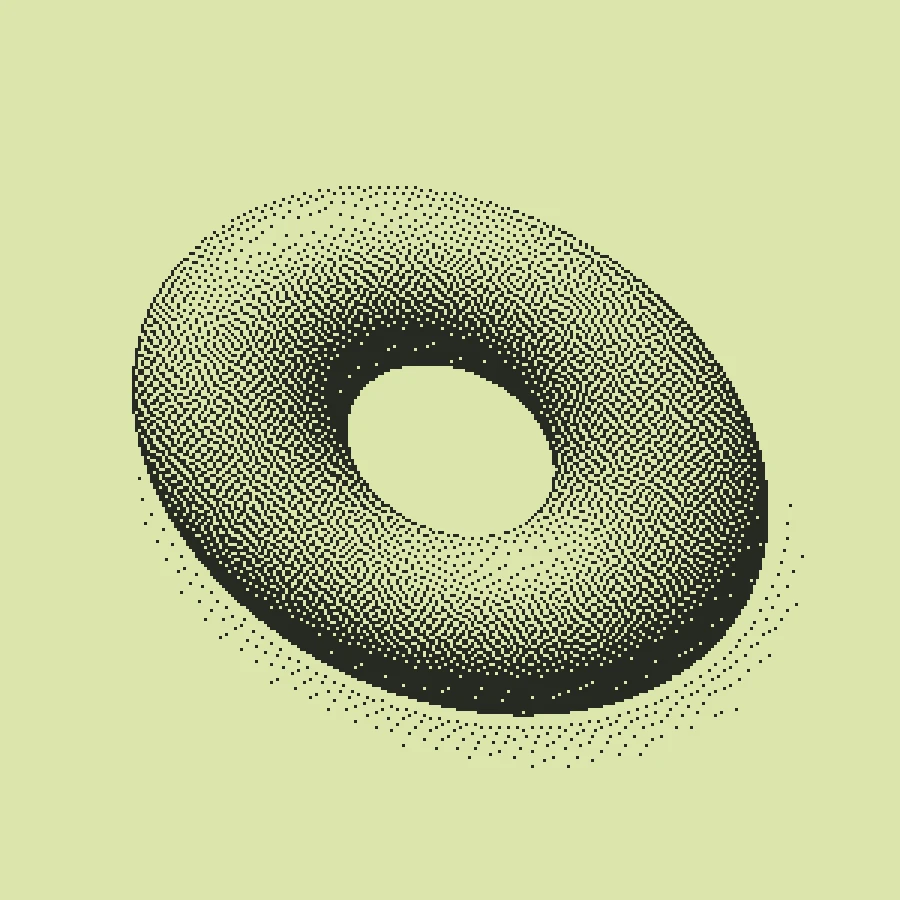
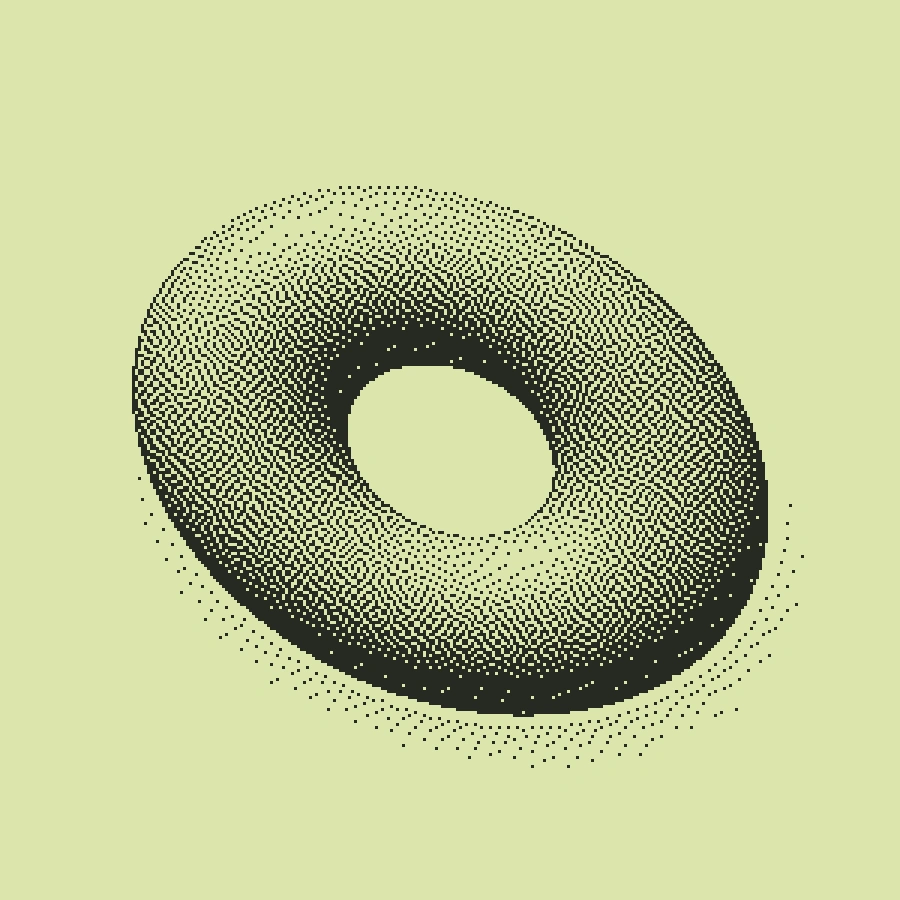
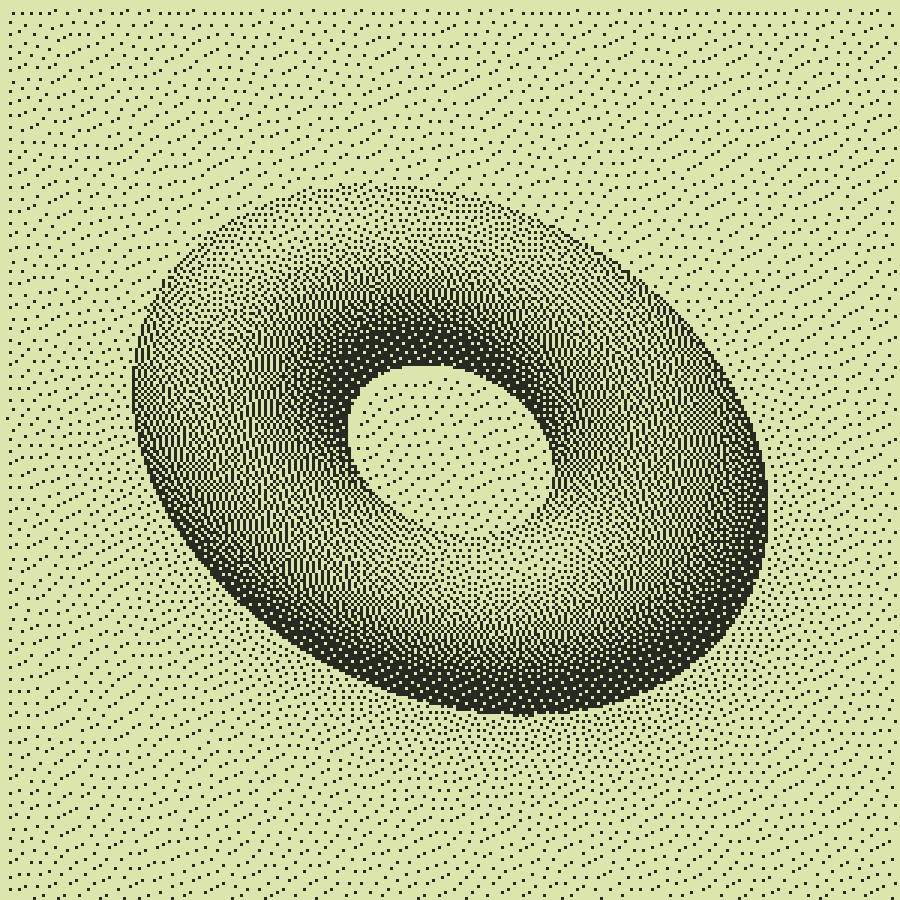
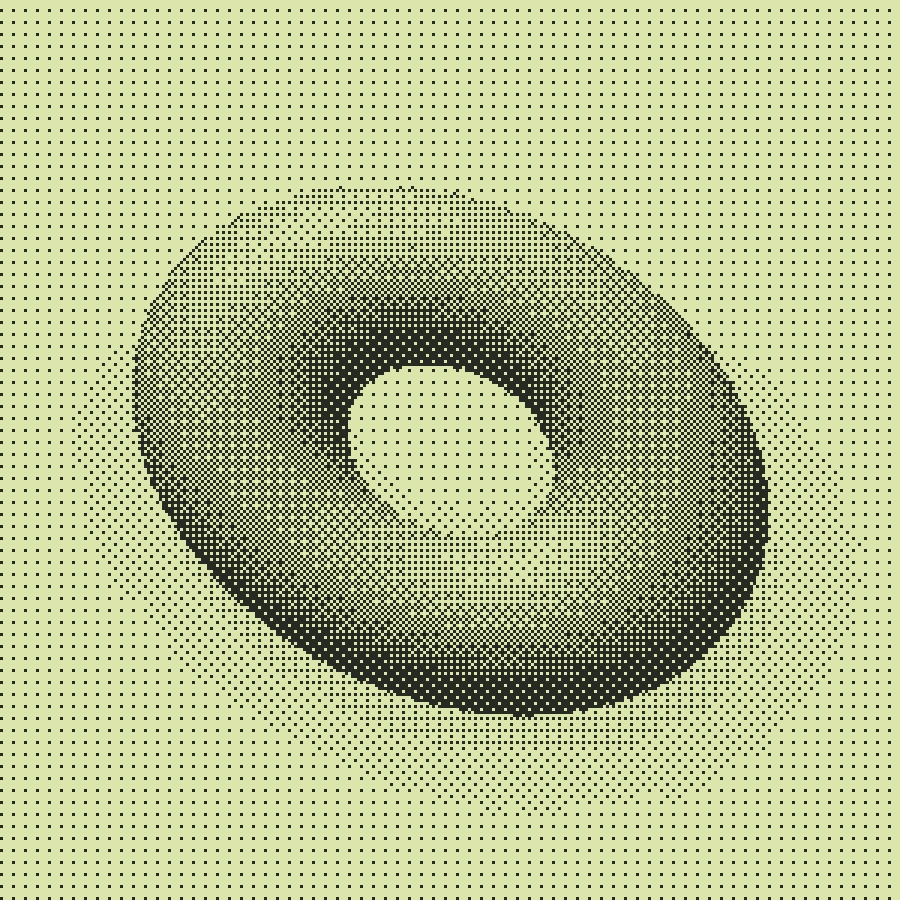
Make this look in three steps
- Use the comparison below to look at highlights, shaded edges and the smooth background separately.
- Open the algorithm you prefer. Keep the source and scale fixed while comparing so you can judge the pattern itself.
- Replace the example with your own image and inspect the final output size. A good choice for one source may not suit another.
Choose by the visual problem
Start with Atkinson for broken, airy texture; Floyd–Steinberg for a fine diffusion pattern across tonal transitions; or Bayer for a repeating grid. These are starting points for judgment, not a universal quality ranking. The comparison makes the tradeoffs visible on a single controlled source.
Keep the comparison fair
Scale changes the sampling grid and the size of the marks. Contrast changes the brightness values sent to the algorithm. Colors affect perceived contrast. If all three change at once, it becomes difficult to tell which algorithm you prefer. This comparison holds those controls fixed.
What a static comparison cannot tell you
A still image does not demonstrate flicker on moving footage, performance on your device or the effect of a social platform resizing an upload. Use the editor to test your actual material and review the exported file in its intended destination.
Free, Pro and your source files
Processing happens in your browser. Free image exports include 1× and 2× PNG and publish a small preview to the public community gallery. Pro skips gallery publication and adds 3× PNG, SVG and silent WebM video export. Use material you have the rights to upload.
Try it in Make ↗